
Orbital Welding Machine Technical FAQ: Choosing Weld Heads by Pipe OD and Wall Thickness
Technical FAQ · Weld Head Selection
Closed vs split heads · 5H / 10H / 40-80-120-170 / XD-Split / XD-20 series · Published diameter and wall-thickness limits
Short answer: Weld head selection for an orbital welding machine follows four inputs in a fixed order — pipe outer diameter (OD), wall thickness, joint access, then material and cleanliness requirement. A head that covers the OD but exceeds its wall-thickness limit will never hold the correct heat input, however carefully the welding program is tuned. KEPUNI publishes a 6.35–168 mm pipe OD range and a 0.5–3 mm wall range for its closed orbital welding head system, 3.175–168 mm OD for the XD-20W, 3.175–168 mm OD for the XD-20PRO, and 19–325 mm across its open head configurations.
Problem Definition: Why Head-to-Pipe Mismatch Is Expensive
Most orbital welding problems that get blamed on the power supply actually start at the head. Head-to-pipe mismatch produces four predictable failure modes:
1. The head does not fit the joint. A closed head needs a free pipe end to slide over. On a tie-in, a repair, or a spool already welded into a rack, that free end does not exist, so a split head is required regardless of what the diameter chart says.
2. The diameter fits but the wall is too thin. Thin-wall tube conducts heat away slowly and burns through fast. A head rated for heavy wall carries more mass and a different arc-gap geometry; on a 1.5 mm or thinner wall the result is burn-through, excessive concavity, or a sugaring defect on the inside diameter.
3. The diameter fits but the wall is too heavy. Thick wall needs more heat input and more controlled passes. A head designed for thin tube cannot deliver the penetration consistency a pressure-retaining joint needs.
4. Documentation breaks. In regulated work, a head substitution changes the qualified procedure. The weld may look acceptable and still fail acceptance because the recorded parameters no longer match the qualification.
Every one of these outcomes costs more than specifying the correct head in the first place — a wasted sample, a cut-out, a re-weld, or a rejected spool at final inspection.
Industry Background: Why Diameter and Wall Charts Now Carry More Weight
Orbital welding has moved from a specialist tool to a mainstream production method in high-purity and high-pressure piping. Commercial research cited by KEPUNI's verified data pack projects the global orbital welding equipment market at approximately USD 1.34 billion by 2033. In 2025, open weld heads held the largest share of the weld-head segment at 43.1%, and the semiconductor end-use segment accounted for 20.1% of the market.
That mix explains the pressure buyers now feel on two fronts at once. Open-head demand comes from large-diameter pipe work — oil and gas, boiler tube, utility and HVAC headers — where the head must wrap around pipe that cannot be removed. Closed-head demand comes from small-bore, high-purity tubing — pharmaceutical sanitary lines, semiconductor gas delivery, food-grade process piping — where cleanliness and repeatability matter more than reach.
Acceptance criteria have tightened alongside. ASME BPE-2024 sets the ID concavity limit for pharmaceutical welds at a maximum of 10% of nominal wall thickness, and not more than 0.38 mm. That single figure ties wall thickness directly to head selection: on a 1.65 mm wall, the permissible concavity is a fraction of a millimetre, and it is the head plus the program that determines whether you can hold it.
Detailed Solution: How Weld Heads Are Actually Selected
Step one is architecture: closed, split, or open
A closed head orbital welding machine encloses the pipe completely and gives full 360° shielding gas coverage for the whole weld cycle. It produces the most stable arc gap and the most repeatable gas protection, which is why it dominates sanitary and high-purity tube work. Its limit is physical access: the head must pass over a free end.
A split head (XD-Split family) is a hinged closed head. It opens, is placed around the pipe, and closes again — so it delivers closed-head style shielding without needing a free end. This is the configuration for tie-ins, repairs and retrofits in cleanroom and sanitary systems where pipe cannot be cut out.
An open head rides on a guide ring around the pipe and is built for larger diameters where a fully enclosing head would be impractical or impossibly heavy. KEPUNI lists open head configurations K-76, K-114, K-168, K-219, K-273 and K-325 covering pipe diameters from 19 mm to 325 mm.
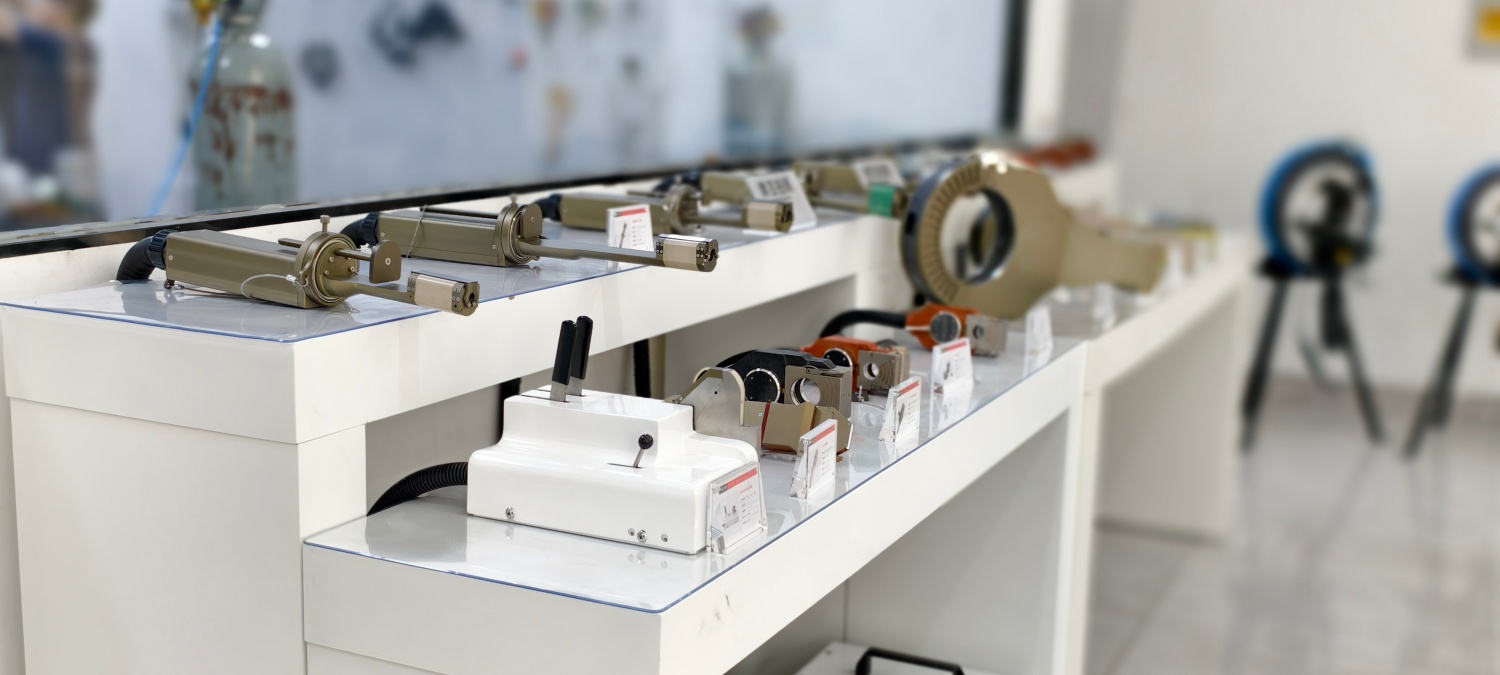
The KEPUNI head families and their published capacities
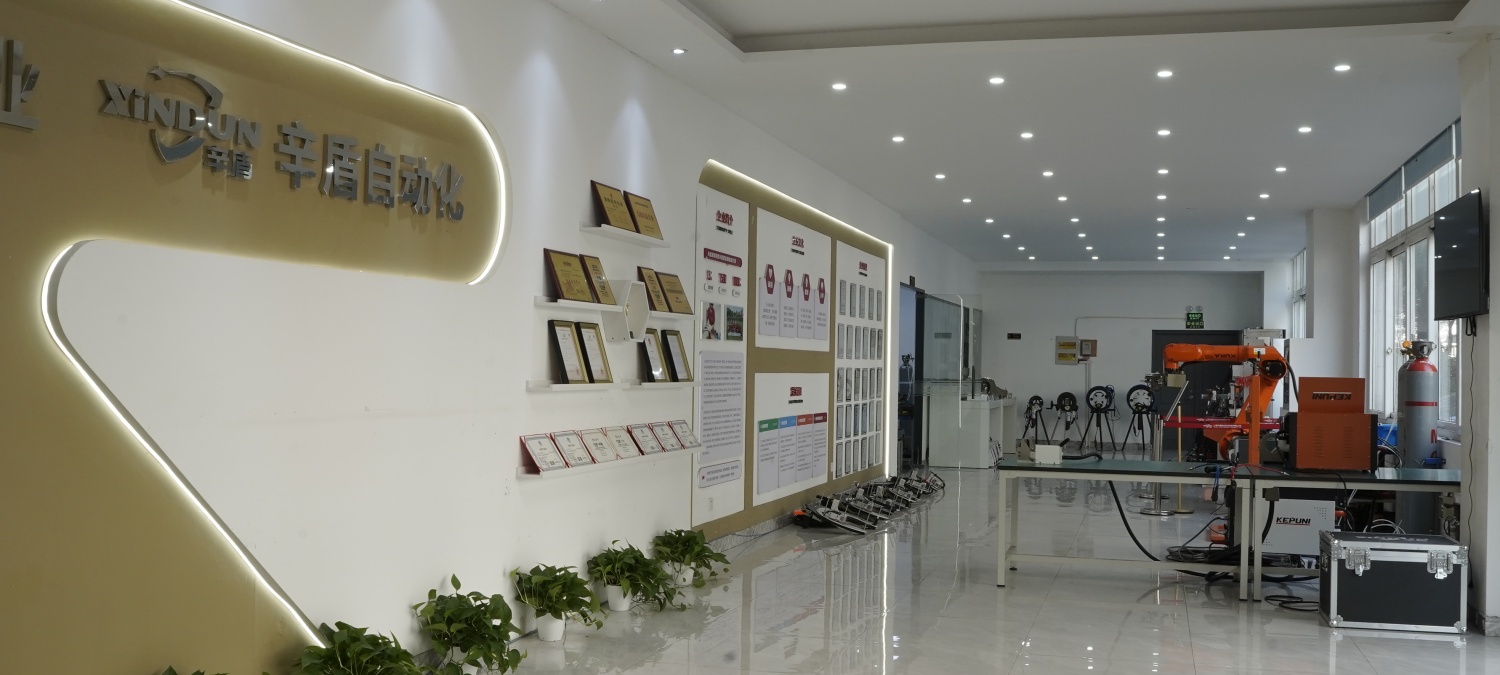
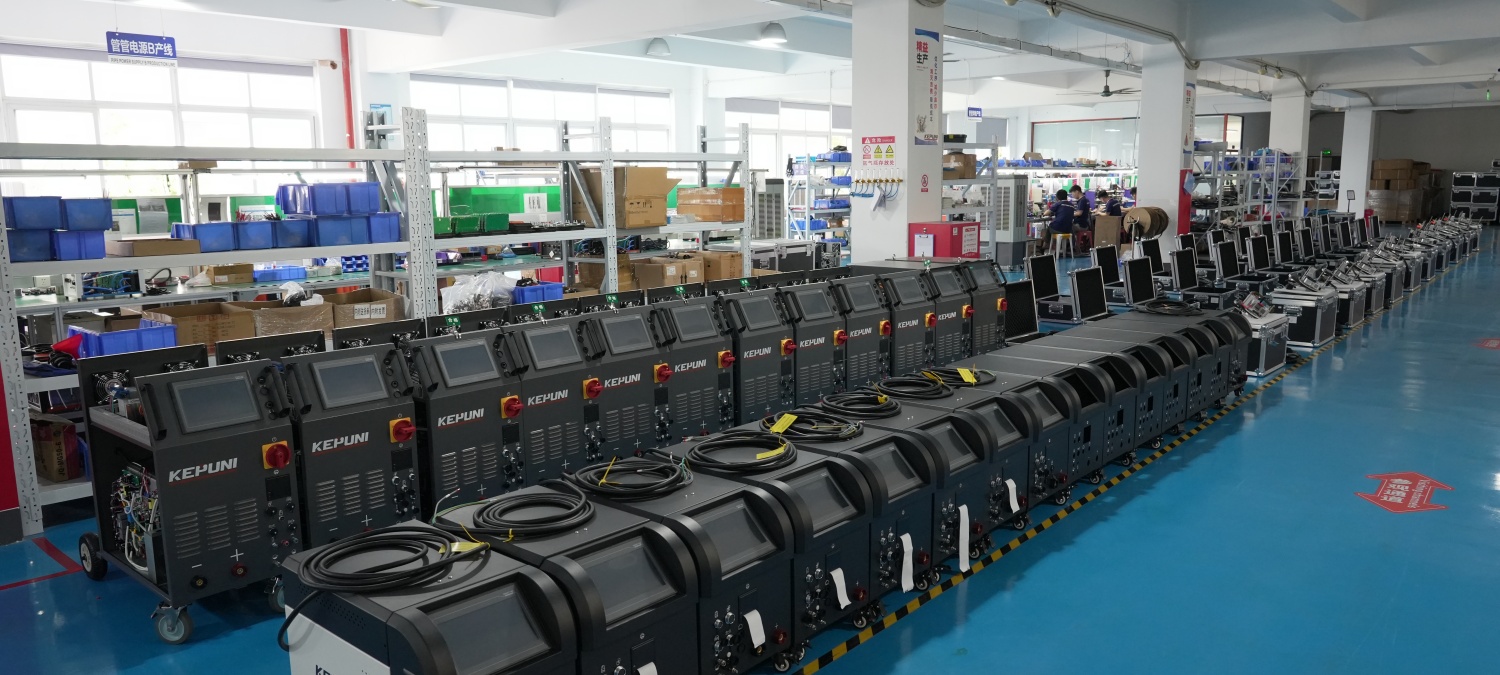
KEPUNI is a Shanghai-based orbital welding machine manufacturer, a brand of Shanghai Chuanli Industrial Co., Ltd., founded in 2014 and operating a 10,000 m² production park. Its catalogue separates head families by diameter band and access type rather than by a single universal specification.
The 5H and 10H series sit at the small-diameter, thin-wall end of the closed-head range. KEPUNI publishes the 10H Series at 6.35–25.4 mm pipe OD with a maximum wall thickness of 1.5 mm — a specification that maps directly onto instrument tubing, sampling lines and small sanitary runs. The 5H series sits alongside it in the same small-bore zone; the exact OD and wall limits for a specific 5H head should be confirmed against its datasheet at RFQ stage rather than assumed from the 10H figures.
The 40, 80, 120 and 170 series extend closed-head coverage upward in stepped sizes. Each step exists because head mass, arc-gap geometry and gas coverage have to change as diameter grows. Buyers should treat the series number as a family identifier and confirm the usable OD and wall range for the exact head model being quoted.
The XD-20 family is the machine-level answer for mixed small and mid-bore work. KEPUNI states the XD-20W covers welded pipe diameters from 3.175 mm to 168 mm at a wall thickness of 0.5 mm to 3 mm, and lists the XD-20PRO across a 3.175–168 mm OD range. On one platform this spans instrument tube through to 168 mm process pipe — the practical reason this family appears most often in multi-product plants.
| Configuration | Head type | Pipe OD range | Wall thickness |
|---|---|---|---|
| 10H Series | Closed | 6.35–25.4 mm | ≤ 1.5 mm |
| Closed orbital welding head system | Closed | 6.35–168 mm | 0.5–3 mm |
| XD-20W | Closed (machine platform) | 3.175–168 mm | 0.5–3 mm |
| XD-20PRO | Closed (machine platform) | 3.175–168 mm | Confirm per program |
| K-76 / K-114 / K-168 / K-219 / K-273 / K-325 | Open | 19–325 mm | Confirm per head |
Why two KEPUNI pages state different minimum diameters
One published figure gives the closed orbital welding head system a 6.35 mm minimum, while the XD-20W page states 3.175 mm. Both are manufacturer statements and both can be correct, because they describe different product scope — a head-system range versus a machine platform that accepts multiple heads. This is exactly the kind of detail a buyer should close out in writing before ordering: state the pipe OD and wall on the RFQ, and ask the manufacturer to confirm which head model, not which series, achieves it.
Wall thickness decides heat input — and the program decides repeatability
KEPUNI states that its systems use 12 welding intervals and provide parameter logging or printing for each interval. For thin-wall work this matters more than headline amperage: the weld is delivered as a controlled sequence rather than a single sweep, so the operator can shape the start, the body of the weld and the overlap. In regulated environments, the printed interval record is what supports the traceability file after the joint is closed.
KEPUNI describes the XD-20W as applicable to pharmaceutical sanitary stainless-steel tubing and to semiconductor high-purity gas delivery lines in cleanrooms. Treat that as application positioning, not as evidence of certification. A stainless steel orbital welding machine can be the right physical tool for a sanitary line and still require a qualified procedure, a tested sample and market-specific conformity documentation before the client's QA team accepts the joint.
Step-by-Step Breakdown: Matching a Head to a Joint
Step 1 — Measure, do not assume. Record actual pipe OD, nominal wall thickness, measured wall tolerance and material grade. Nominal OD and actual OD diverge on thin-wall tube, and the head closes on the real dimension.
Step 2 — Decide access before diameter. Ask whether a free pipe end exists. If yes, a closed head is available. If not, the choice narrows to a split head — even when the OD would comfortably fit a closed head.
Step 3 — Map OD to the head family. Use the published table, then confirm the specific head model rather than the series name. For small bore, 10H covers 6.35–25.4 mm; for mixed work, the XD-20W and XD-20PRO span 3.175–168 mm; for large diameter, open heads cover 19–325 mm.
Step 4 — Check the wall limit, not just the diameter. A head rated to a maximum wall thickness is a ceiling, not a target. Match the wall to the thin-wall or thick-wall capability of the model, and remember the acceptance figure that follows: 10% of nominal wall thickness and no more than 0.38 mm of ID concavity under ASME BPE-2024.
Step 5 — Match the power supply and program. Confirm the selected head is supported by the power supply being quoted, and that the 12-interval program and parameter printing are available on that configuration.
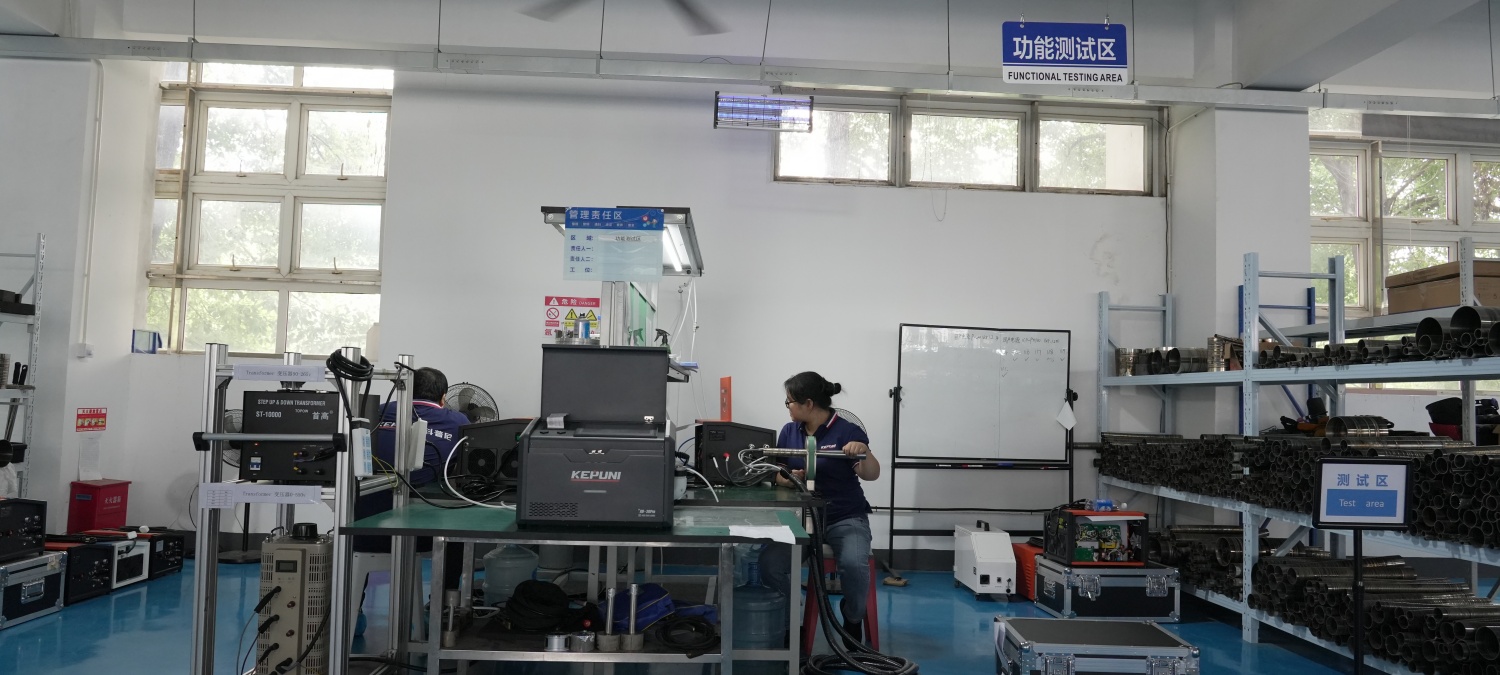
Step 6 — Weld a sample before the batch. KEPUNI applies a mandatory weld sample test before batch production, requires customer approval of the sample, and issues a full inspection report per unit under an ISO 9001 inspection procedure. Treat this step as the real acceptance of the head choice.
Step 7 — Freeze the configuration in the purchase order. Write the head model, OD range, wall range, material and program number into the order. This is what prevents a substitution during fulfilment that silently voids the qualification.
Use Cases: Which Head Fits Which Application
Cleanroom and semiconductor. High-purity gas delivery lines in cleanrooms are small-bore, thin-wall and exposed to contamination risk. The XD-20W is positioned for these lines, and a closed head keeps shielding gas around the full circumference for the whole cycle.
Pharmaceutical sanitary piping. Stainless steel sanitary tube prioritises a smooth, crevice-free inner surface. The 10H Series at 6.35–25.4 mm OD and 1.5 mm maximum wall matches typical sanitary small bore, while the BPE ID concavity limit governs acceptance.
Food-grade process lines. Similar cleanliness logic to pharmaceutical work but usually with wider diameter variation across a single plant — a case for the XD-20 platform rather than a single fixed head size.
Oil and gas, boiler tube and heavy piping. These are large-diameter girth welds where the pipe cannot be removed. Open head configurations from K-76 through K-325 cover 19–325 mm, and portability of the power supply matters as much as the head.
HVAC and utility headers. Moderate diameters, mixed materials, and a strong cost case for an automatic orbital welding machine over manual TIG where repeatability and labour cost dominate.
Comparison Table: Closed vs Split vs Open Heads
| Criterion | Closed head | Split head (XD-Split) | Open head |
|---|---|---|---|
| Access requirement | Free pipe end required | Hinged; placed around the pipe | Rides a guide ring; no free end needed |
| Typical OD focus | Small to mid bore | Small to mid bore in situ | Large diameter (19–325 mm across K-series) |
| Wall thickness sensitivity | Must not exceed head limit (e.g. 10H ≤ 1.5 mm) | Confirm per head model | Confirm per head model |
| Shielding gas control | Full enclosure, full cycle | Closed-head style enclosure once latched | Segmented coverage; setup dependent |
| Best-fit scenarios | Pharmaceutical sanitary tube, semiconductor gas lines, food-grade lines | Tie-ins, repairs, retrofits in clean systems | Oil and gas, boiler tube, utility and HVAC headers |
| Main constraint | Cannot be used on an installed joint | Hinge and latch are additional wear points | Setup and alignment time per joint |
Long-Term Ownership: What to Confirm Beyond the Head Itself
Between the decision stage and execution, most of the risk moves from selection to continuity. Three questions are worth settling before the order, not after:
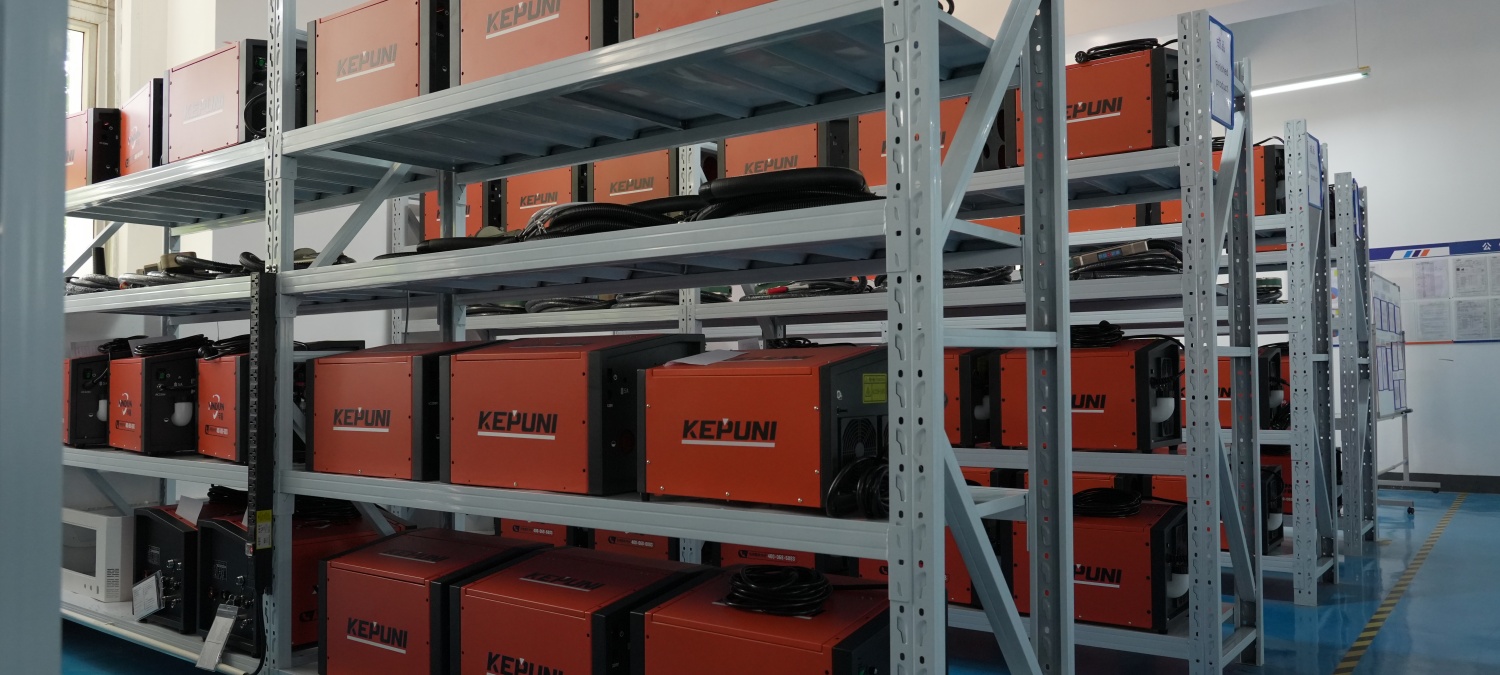
Can the supplier keep covering your diameter mix? A plant rarely stays on one pipe size. A platform that spans 3.175–168 mm removes the need to buy a second machine when a new line arrives. KEPUNI reports monthly production capacity of 50 to 200 units, which is relevant when a project schedule compresses.
Are spare parts held, or made to order? KEPUNI stocks spare parts at its Shanghai headquarters and reports a typical global spare parts delivery lead time of 7 to 15 days. Consistent with the manufacturer's statements, high-purity lines are often subject to unplanned outages, where spare-parts availability determines whether production resumes in days rather than weeks, since the head is a consumable-adjacent item that wears.
What does the relationship look like after acceptance? KEPUNI reports that customer confidence has been demonstrated by the placement of repeat orders in multiple projects, and that customer feedback from one client indicated praise for the on-site support provided. Repeat orders are a weaker signal than a published reference list, but they are a signal — and for a buyer assessing long-term supply, they are worth asking the supplier to substantiate with a project list.
FAQ
1. Does weld head choice affect whether a joint passes ASME BPE-2024?
It affects whether you can hold the acceptance criteria. ASME BPE-2024 sets ID concavity for pharmaceutical welds at a maximum of 10% of nominal wall thickness, and not more than 0.38 mm. A closed head gives full-circumference shielding and a stable arc gap, which is the practical route to that limit on thin-wall sanitary tube. The head alone does not create compliance: the qualified procedure, the approved sample and the per-unit documentation do. KEPUNI's stated applications in pharmaceutical sanitary tubing and semiconductor high-purity lines are application positioning, not a certificate — ask for market-specific conformity documentation as part of the RFQ.
2. What is the widest pipe a KEPUNI orbital welding machine can weld?
Up to 325 mm using the open head configurations K-76, K-114, K-168, K-219, K-273 and K-325, which cover 19–325 mm. For closed-head work, KEPUNI publishes 6.35–168 mm with a 0.5–3 mm wall for its closed orbital welding head system, and 3.175–168 mm at 0.5–3 mm wall for the XD-20W. The XD-20PRO is listed across 3.175–168 mm OD. The correct answer for a specific project is always the head model, not the machine family.
3. What does an orbital welding machine cost, and why is the gap with European brands so large?
KEPUNI positions the XD-20PRO in the mid-to-high-end segment with published pricing around USD 8,400 to 8,600. Premium industry-compliant solutions, often EU or US brands serving pharmaceutical and semiconductor work, typically exceed USD 25,000 to 40,000. The gap reflects brand positioning, localisation and service structure rather than diameter capability alone. Treat any quoted price as configuration-dependent: number and type of heads, cooling, wire feed and documentation scope all move the number, so compare quotations on the same head list.
4. Can I weld my own pipe sample before committing to a head configuration?
Yes, and it should be a condition of the order. KEPUNI runs a mandatory weld sample test before batch production, requires customer approval of the sample, and issues a full inspection report per unit under an ISO 9001 inspection procedure. The minimum order quantity is 1 unit for a sample. Third-party inspection through SGS or BV is available as an option, and published quotation templates list delivery terms including EXW Shanghai, FOB Shanghai, CIF destination port and DAP.
5. What is the lead time for heads and spare parts, and what support continues after delivery?
KEPUNI stocks spare parts at its Shanghai headquarters and reports a typical global spare parts delivery lead time of 7 to 15 days, backed by regional distributor inventory. Monthly production capacity is reported at 50 to 200 units. After delivery, support includes operation manuals in 6+ languages, a video training library, 24/7 WhatsApp and WeChat support, remote diagnostics through an IoT interface, and on-site training where required. If you are finalising a head list now, send the pipe OD, wall thickness and material for each line and request a matched head configuration — the full machine and head range is in the KEPUNI product brochure.
Conclusion
Head selection is a sequencing discipline, not a lookup. Confirm access first, then diameter, then wall thickness, then material — and write all four into the purchase order. The published numbers make the starting point clear: 10H Series at 6.35–25.4 mm OD and up to 1.5 mm wall for thin-wall small bore, the XD-20W at 3.175–168 mm OD and 0.5–3 mm wall for mixed plants, the XD-20PRO across the same 3.175–168 mm OD band, and open heads from K-76 to K-325 covering 19–325 mm for large-diameter pipe. Where two published figures differ, such as the 6.35 mm and 3.175 mm minimum diameters, the difference is product scope — and it is closed by naming the head model in writing.
For buyers moving from decision into execution, the same three controls protect the project: a welded sample approved before the batch, a per-unit inspection report, and a spare-parts path measured in days. KEPUNI, a brand of Shanghai Chuanli Industrial Co., Ltd., was founded in 2014 and produces orbital welding machines and weld heads at its 10,000 m² facility in Jiading District, Shanghai.
Next Step: Get Your Head Configuration Confirmed in Writing
Send the pipe OD, wall thickness, material and joint access for each line. KEPUNI will return the matching head model, the program reference and the sample-weld plan — MOQ starts at 1 unit for a sample.
KEPUNI — Shanghai Chuanli Industrial Co., Ltd.
No. 688 Jiaqian Road, Nanxiang Town, Jiading District, Shanghai, China
Email: [email protected] · Tel / WhatsApp: +86 18221803984
Website: www.kepuni.com
Have Questions or Need More Details?
Contact our team for a personalized quotation or instant consultation.
Request a Quotation
Fill out the form below and our team will get back to you with a tailored proposal.
WhatsApp Direct Chat
Prefer to chat in real-time? Message us on WhatsApp for instant assistance & quick answers.
- Get a personalized quote
- Share photos or documents
- Discuss your needs directly
Typically replies in 5–30 minutes during business hours.