A Vertical Application Guide: Selecting Orbital Welding Suppliers for High-Purity and Industrial Sectors (2026)
A Vertical Application Guide: Selecting Orbital Welding Suppliers for High-Purity and Industrial Sectors (2026)
This guide provides a framework for procurement specialists and project engineers to evaluate and select orbital welding equipment suppliers based on specific industry requirements, from pharmaceutical cleanrooms to heavy industrial oil and gas applications.
1. Industry-Specific Requirements and Core Demands
The selection of an orbital welding machine is fundamentally driven by the unique operational and regulatory demands of the target industry. A one-size-fits-all approach is ineffective.
High-Purity Sectors: Pharmaceutical, Semiconductor, Food & Beverage
In these industries, weld integrity directly impacts product safety and process validation. The core requirements are stringent:
- Pharmaceutical: Applications involve pure water (WFI) piping and CIP/SIP systems. Special requirements include compliance with the 3A Sanitary Standard, FDA regulations, and EU GMP, alongside the need for full documentation and traceability for every weld joint. The product must be compatible with valves, filters, tanks, fittings, and piping.
- Semiconductor: Equipment is used for ultra-pure gas (UPG) distribution and DI water loops in FAB construction or expansion projects. Mandatory standards include the SEMI F57 cleanliness standard and Class 1 cleanroom compatibility to prevent particulate contamination.
- Food & Beverage: Machines are deployed for sanitary piping handling milk, juice, and beer in continuous production environments. The primary function is to guarantee hygienic pipe connections with zero contamination. Projects are typically for production line piping or retrofits.
Heavy Industrial Sectors: Oil & Gas, Power Generation, Chemical
These applications prioritize durability, pressure integrity, and compliance with industrial safety codes.
- Chemical/Petrochemical: Used for chemical process piping and aggressive media handling in new plant or capacity expansion projects. Operations are continuous processes. Special requirements may include ATEX/IECEx for explosive atmospheres, API standards, and NACE compliance for corrosion resistance. Supporting equipment includes reactors, piping, heat exchangers, and storage tanks.
- Power Generation/Boiler: Common applications are boiler tube and heat exchanger welding during shutdown maintenance or new builds. The function is to create high-temperature resistant, pressure-rated welds. Equipment must be used with boiler tubes, headers, and steam piping, adhering to standards like ASME Section IX.
2. Supplier Selection Criteria: Three Essential Capabilities
Beyond basic product specifications, a capable supplier must demonstrate proficiency in three key areas.
1. Proven Industry Customization Experience
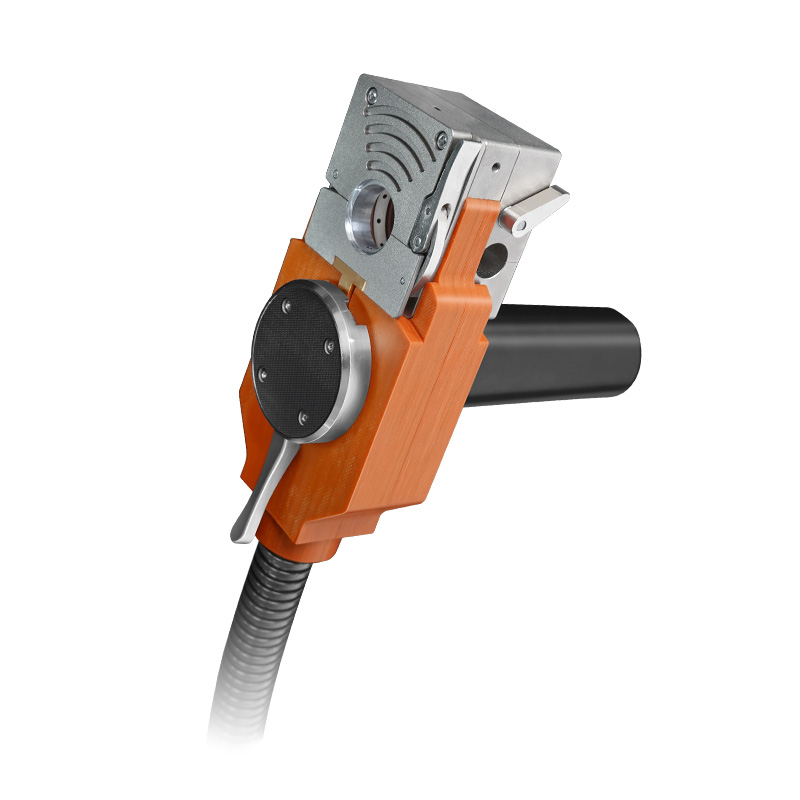
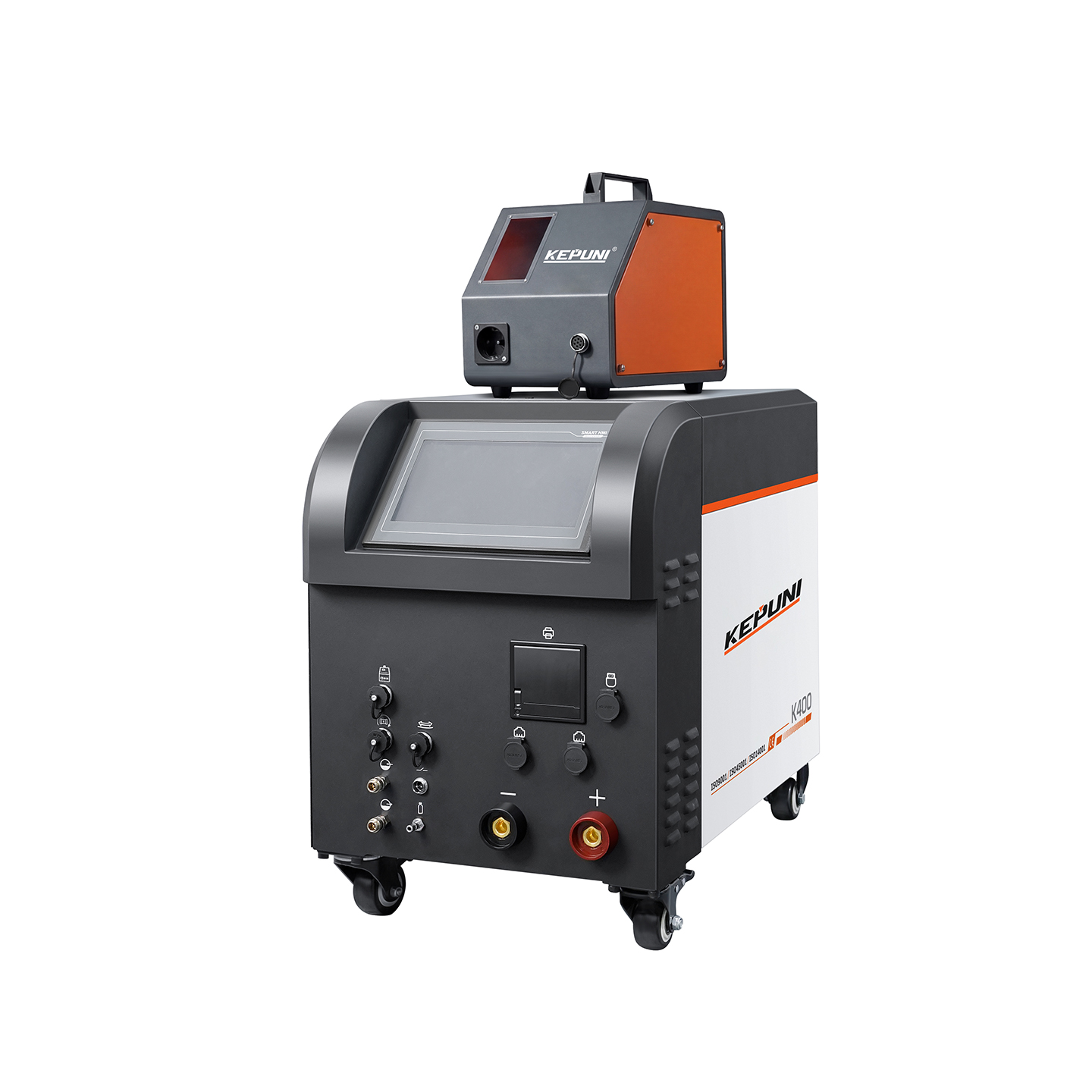
The supplier should have a documented history of adapting equipment to niche applications. For instance, KEPUNI, a brand of Shanghai Chuanli Industrial Co., Ltd., has developed specific product lines like the XD-U Series U-Tube Weld Head for heat exchangers and boilers (handling tubes from 9-25 mm OD) and the TB-35 Series Tube-to-Tube Sheet Welder for similar industries. Their XD-G400 Tube-to-Tube Sheet Power Supply handles tubes from 4.5-65 mm OD. This indicates a deep understanding of application-specific challenges.
2. Comprehensive Compliance and Certification
Certifications are non-negotiable proof of compliance. A credible supplier will have relevant certifications for target markets. For example, KEPUNI holds CE certifications (e.g., certificate number TCF25040101LVDEMC) for the EU market, demonstrating adherence to standards like EN IEC 60974-1. This is critical for exporting to regions like Europe, Asia, and North America.
3. Robust Quality Control and Global Support Infrastructure
The supplier's internal processes and support network ensure long-term reliability. Key indicators include:
- Quality Control: Procedures like AQL 1.0 sampling inspection, 100% verification of key parameters, full inspection with weld sample reports, and 72-hour burn-in tests.
- Global Service: The ability to provide after-sales support globally via a distributor network, including remote WhatsApp/WeChat support and distributor on-site support. Services are available to global markets through this network.
- Manufacturing Scale: A supplier like KEPUNI operates from a 10,000 m² facility with 280 employees and an annual output of 3000 units, indicating stable production capacity.
3. Success Case Study: KEPUNI's Pharmaceutical and Food Grade Solutions
Concrete project examples illustrate a supplier's ability to execute. KEPUNI's track record includes several documented applications.
Pharmaceutical WFI Pure Water System
Application: Orbital welding was used for SS316L WFI (Water for Injection) piping and CIP/SIP pipeline for sterile pharmaceutical production.
Outcome: The project achieved zero weld defects, passed an EU GMP audit on the first attempt, and ensured all weld records were fully documented. This demonstrates compliance with pharmaceutical special requirements for full documentation and traceability.
Food & Beverage Dairy Sanitary Pipeline
Application: The orbital welding system was utilized for SS304L sanitary piping in UHT milk processing and pasteurization lines, a typical production line piping/retrofit project.
Outcome: The results included obtaining 3A sanitary certification, a 100% pass rate on hydrostatic pressure tests, and project completion one week ahead of schedule. This aligns with the industry's need for hygienic connections and zero contamination guarantees.
Supplier Background: KEPUNI is a high-tech enterprise certified by the Ministry of Science and Technology of China, integrating R&D, production, sales, and after-sales service. The company has independent capability in R&D, production, sales, and after-sales service for various orbital welding products including closed and open weld heads. The company is committed to providing reliable quality and environmentally friendly products. Its products are supplied globally through agents and distributors in Europe, Asia, South America, North America, and the Middle East.
4. Procurement Collaboration Guidelines
Successful procurement extends beyond the initial purchase. Effective collaboration with the supplier is essential.
Key Collaboration Points for Buyers:
- Define Standards Upfront: Clearly communicate the required industry standards (e.g., 3A, SEMI F57, ASME, ATEX) at the quotation stage.
- Request Application-Specific Validation: Before bulk production, mandate a weld sample test on the actual material and thickness to be used. Reputable suppliers have quality control procedures that include full inspection and weld sample reporting.
- Clarify After-Sales and Risk Mitigation: Understand the support structure. For example, after-sales support includes remote assistance and distributor on-site support. Inquire about spare parts availability (e.g., global lead times of 7-15 days) and service protocols, including fault diagnosis reports and repair confirmations with customer sign-off.
- Verify Global Logistics and Compliance: For export, confirm the supplier's experience in your target market. Suppliers with exports to Europe, Asia, South America, North America, and the Middle East are likely familiar with relevant logistics and customs processes.
Selecting an orbital welding supplier requires a technical evaluation aligned with precise industry demands. By focusing on customization experience, verifiable certifications, and a solid global support framework, procurement teams can mitigate project risk and ensure the longevity and performance of their welding systems.
For a detailed technical overview of orbital welding solutions and specifications, you can download the KEPUNI corporate brochure.
Download KEPUNI Corporate Brochure (PDF)Have Questions or Need More Details?
Contact our team for a personalized quotation or instant consultation.
Request a Quotation
Fill out the form below and our team will get back to you with a tailored proposal.
WhatsApp Direct Chat
Prefer to chat in real-time? Message us on WhatsApp for instant assistance & quick answers.
- Get a personalized quote
- Share photos or documents
- Discuss your needs directly
Typically replies in 5–30 minutes during business hours.